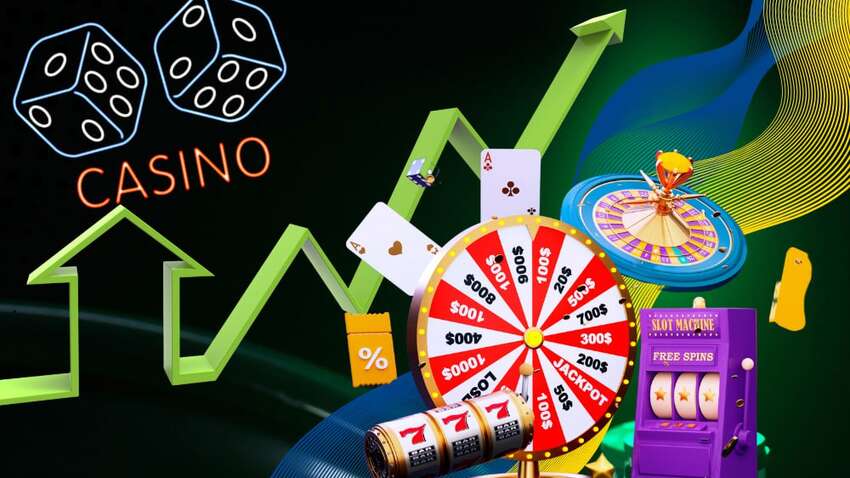
The Psychology of Online Casino
The world of online casinos has seen a meteoric rise in popularity, and with it, a growing interest in the psychology of gambling. Why do people flock to these digital platforms? What drives their behavior, and how does the environment of an online casino affect decision-making? In this article, we will delve into the psychological elements that make online casinos enticing, enjoyable, and, for some, dangerously addictive. For those exploring this realm, The Psychology of Online Casino Gambling cashwin-gr.com/ serves as a prime example of the variety of online gaming platforms available today.
1. The Allure of Gambling
Gambling has a long history, with its roots tracing back to ancient civilizations. The thrill of risking something valuable for the potential to gain more has captivated humans for centuries. Online casinos tap into this innate desire for excitement and risk. The convenience of online platforms allows individuals to engage in gambling without the social pressures of traditional casinos, making it accessible to a wider audience. The allure of online gambling often comes from the anonymity it affords, the potential for large wins, and the various marketing strategies employed by casino operators.
2. The Role of Music and Visuals
One of the critical elements of online casinos is how they design the user experience to maximize engagement. This is achieved through a combination of music, visuals, and sound effects that create a captivating atmosphere. The sounds of spinning slots, chiming coins, and upbeat music can activate the brain's reward center, releasing dopamine. This pleasurable response reinforces the behavior, making players want to return for more. Understanding this psychological trigger is essential for players as it influences how they perceive wins and losses.
3. Variable Reward Schedules
Online casinos often employ variable reward schedules in their games, which means players occasionally get rewarded, but not every time they gamble. This unpredictability can lead to increased engagement and spending. The concept is rooted in behavioral psychology, specifically B.F. Skinner’s theories regarding operant conditioning. The thrill of not knowing when a reward might come can be highly addictive and can keep players engaged longer than they might have initially intended.
4. Gamification and Engagement
Many online casinos have embraced gamification to enhance user engagement. This process incorporates elements of game design into non-game contexts to motivate and engage users. Features like leaderboards, achievement badges, and loyalty programs contribute to a player's sense of progress and accomplishment. These gamified elements can create a false sense of security and encourage players to gamble more, believing they are simply playing a game rather than risking real money.

5. Social Interaction and Online Communities
While online casinos may seem solitary, many incorporate social elements that keep players connected. Chat functions, multiplayer games, and community events create a sense of belonging and camaraderie among players. This social aspect can amplify the excitement of gambling and often leads to an increased willingness to spend as players seek validation and connection with others. The psychological need for social interaction can ultimately influence gambling behavior, making players less likely to consider the risks involved.
6. The Illusion of Control
One of the most fascinating psychological phenomena in gambling is the illusion of control. Many players believe they can influence the outcome of a game through their skills or strategies, even when the games are purely based on chance. This misconception can lead to overconfidence and increased gambling, as individuals feel empowered by the belief that they can alter their odds. Recognizing this illusion is crucial for responsible gambling, as it can prevent players from acknowledging the true nature of their risk.
7. Dealing with Losses
The emotional rollercoaster of gambling can have profound psychological effects, particularly when it comes to dealing with losses. Many players fall into the “loss chasing” trap, where they continue to gamble in an attempt to recover lost funds, believing that they are “due” for a win. This behavior can escalate quickly, leading to significant financial and emotional distress. Understanding the psychology behind loss behavior is essential for promoting responsible gambling and recognizing when to walk away.
8. Responsible Gaming and Self-Regulation
As online casinos continue to grow, promoting responsible gambling practices becomes increasingly important. Operators play a crucial role by implementing features that encourage self-regulation, such as deposit limits, time management tools, and self-exclusion options. For players, awareness of their psychological triggers and understanding their limits is vital. Developing a healthy relationship with gambling involves recognizing the signs of problem gambling, setting boundaries, and seeking help when needed.
Conclusion
The psychology of online casinos is a complex interplay of excitement, risk, and social interaction that attracts players from all walks of life. Understanding the underlying psychological factors at work can empower individuals to make informed decisions when engaging in online gambling. By recognizing the allure of gambling, the impact of gamification, and the importance of responsible gaming, players can enjoy the thrill of online casinos while minimizing the risks involved. Ultimately, knowledge is a powerful tool in navigating the exciting yet potentially perilous world of online gambling.